AI-generated image
Contents
“We’ve been reading your content for months.”
That’s what new clients tell us. Not “we saw your ad.” Not “we got your brochure.” We’ve been reading. For months. By the time they reach out, the decision is mostly made - and we had no idea they were watching.
The 70% no one can see
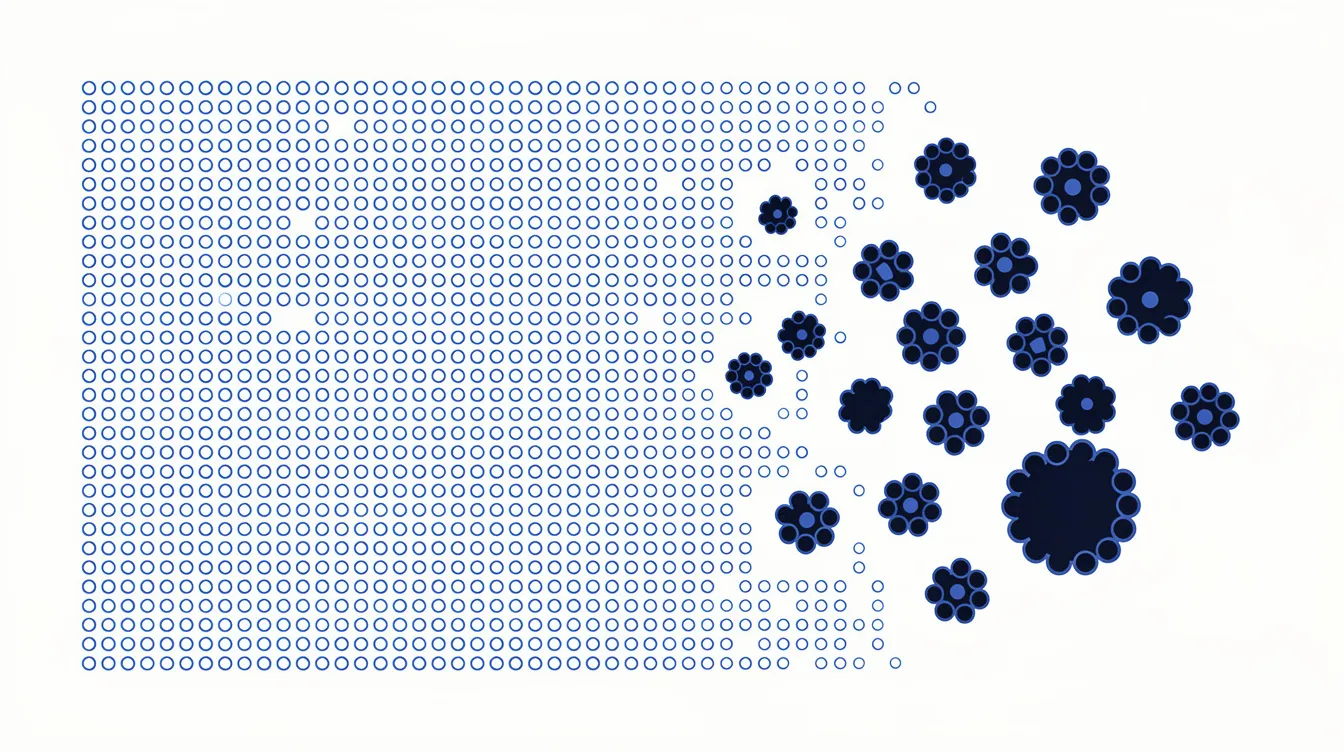
Research consistently shows that the majority of the B2B buying journey - roughly 70% by many estimates - happens before a prospect ever contacts a vendor.
They’re researching. Evaluating. Comparing. Forming opinions.
But they’re not filling out forms. They’re not downloading gated content. They’re not triggering any of the signals that marketing platforms track. They’re invisible until they choose to become visible - and they choose that moment, not you.
Dark social: the sharing that can’t be measured
A buyer reads something that lands. What do they do next?
They don’t share it publicly on LinkedIn. That would signal buying intent to their entire network - a vulnerability most buyers avoid.
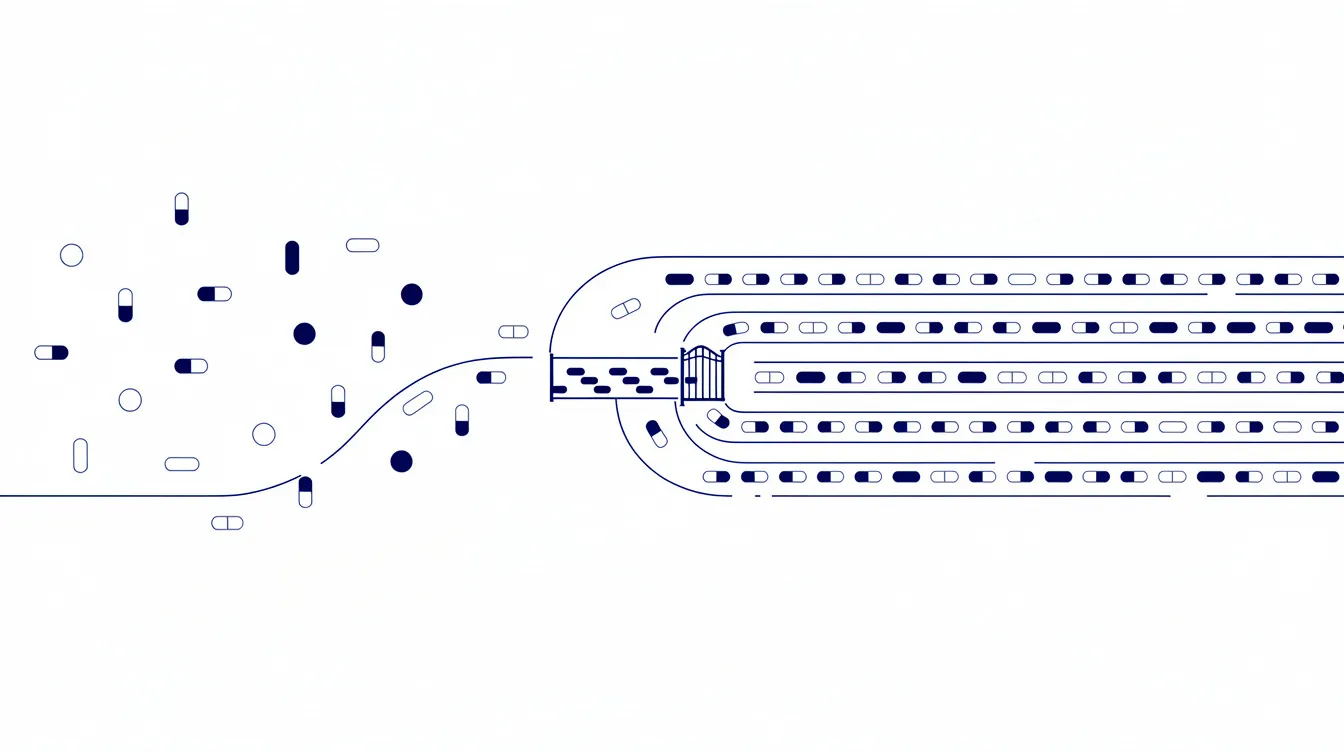
They forward it privately. WhatsApp to a colleague. Email to a decision-maker. A Slack message to the person who needs to see this.
The content moves through private channels with no referral tracking, no attribution, no trace. It accumulates into preference and reputation over weeks and months. This is dark social - the sharing that matters most and can’t be measured at all.
Why your metrics are probably lying to you
If most of the journey is invisible and the sharing happens in private, then conventional content metrics are measuring the wrong thing.
A post with high engagement might be entertaining. It might not be influential.
A post with low engagement might be quietly forwarding its way through the buying committee of your next major client.
The content that looks least successful by conventional measures might be doing the most work. That’s a difficult thing for teams under attribution pressure to sit with - but it’s true.
How to design for private forwarding
Once you accept that valuable content travels privately, what you create has to change.
Make it forwardable. Would someone send this to their boss, their board, their team? If the value only works in a public feed, it won’t survive a private channel.
Make it credible. When someone forwards content, they’re staking their own reputation on it. Anything that feels promotional or self-serving won’t travel - the forwarder would look bad for sending it.
Make it decision-relevant. The content most likely to be forwarded is content that helps someone make a decision they’re already wrestling with. Problem-solving moves; thought leadership for its own sake usually doesn’t.
Make it extractable. Key points that can be quoted. Data that can be referenced. Frameworks that can be explained in one sentence. Forwarders want to add context, not just paste a link and hope.
The trust that accumulates invisibly
The invisible audience is building a picture of you. Every article read. Every framework encountered. Every problem addressed honestly.
By the time they make contact, they’ve already decided whether you understand their world. The conversation starts from a foundation that took months to build - months when you had no idea it was happening.
This process can’t be meaningfully accelerated. Gating content to capture leads interrupts it. Aggressive outreach violates it. The trust accrues at its own pace, on their schedule.
The organisations that understand this invest in content without demanding immediate attribution. They know the return is real but untrackable. That takes a particular kind of discipline.
What we’ve actually learned
Some of our most significant client relationships began with exactly that phrase: “we’ve been reading your content.”
Not one piece. The accumulation. The consistent pattern of perspective. The repeated demonstration that we understand the problems they live with every day.
When they were ready, they reached out. Not because we prompted them - because months of invisible interaction had made contacting us feel safe.
That’s the dynamic. They’re reading, comparing, and forwarding right now. You can’t see it happening until it’s already happened.
Design for that audience anyway.

Written by
Dieter Herbst
CEO at Herbst Group. Working with pharmaceutical commercial leaders across South Africa, Kenya, and Brazil to transform sales force effectiveness through evidence-based approaches.
Connect on LinkedIn