AI-generated image
Contents
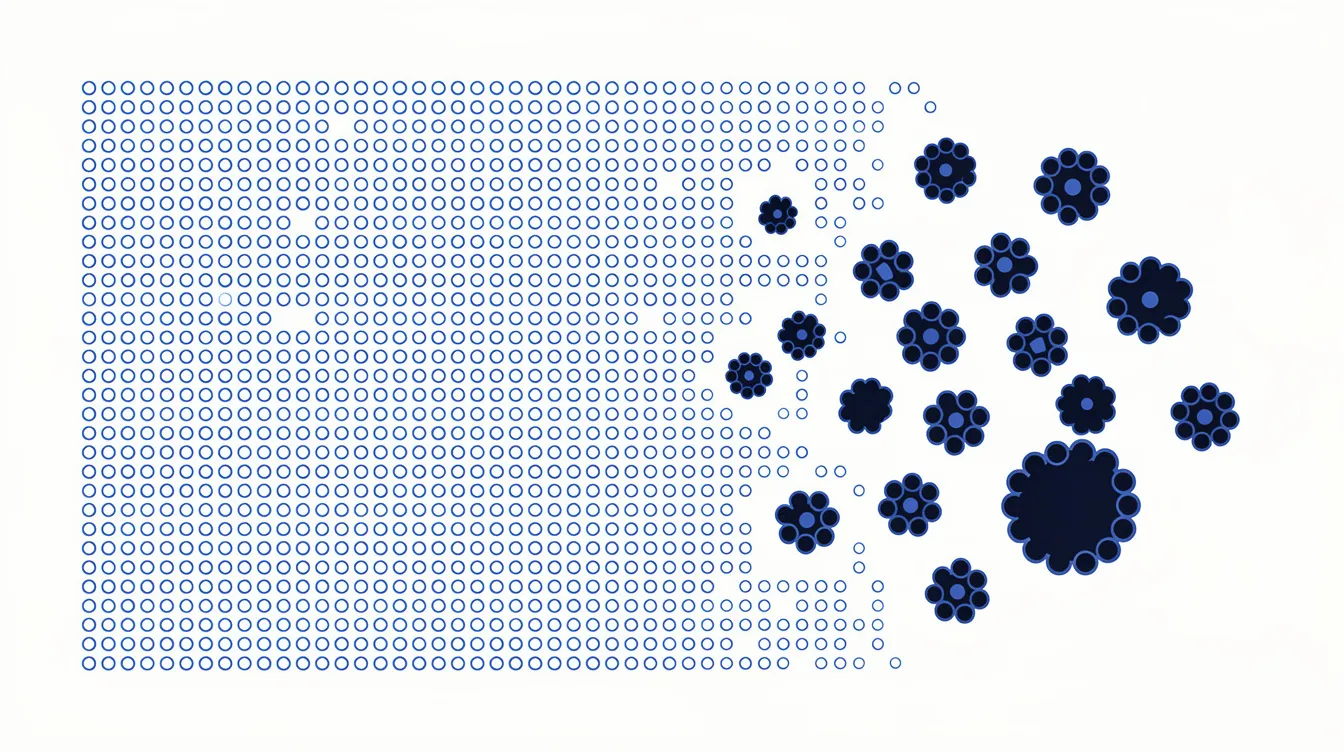
One pharmaceutical sales team ran seven separate data systems. Every Monday, six hours vanished before a single decision was made - not on analysis, not on strategy, just on working out whose numbers were right. That is 312 hours of leadership time every year spent on a problem that should not exist.
Seven systems, seven versions of the truth
Sales pulled from one system. Finance from another. Marketing from a third. Territory managers from a fourth. By the time everyone sat down, they were each holding different figures for the same period, the same products, the same team.
The meeting opened with a data debate, not a decision. “My spreadsheet shows X.” “Mine shows Y.” “Let me check the other system.” Half the allocated time gone before the actual work started. The decisions that did get made were compressed into whatever minutes remained - rushed, under-informed, or deferred again.
This is a structural problem. Seven systems do not produce seven perspectives on the truth. They produce seven versions of the truth, and the reconciliation cost is paid in time that cannot be recovered.
The consolidation, not another layer
The answer was not adding an eighth system to harmonise the other seven. That path ends with eight systems and the same problem wearing different clothes.
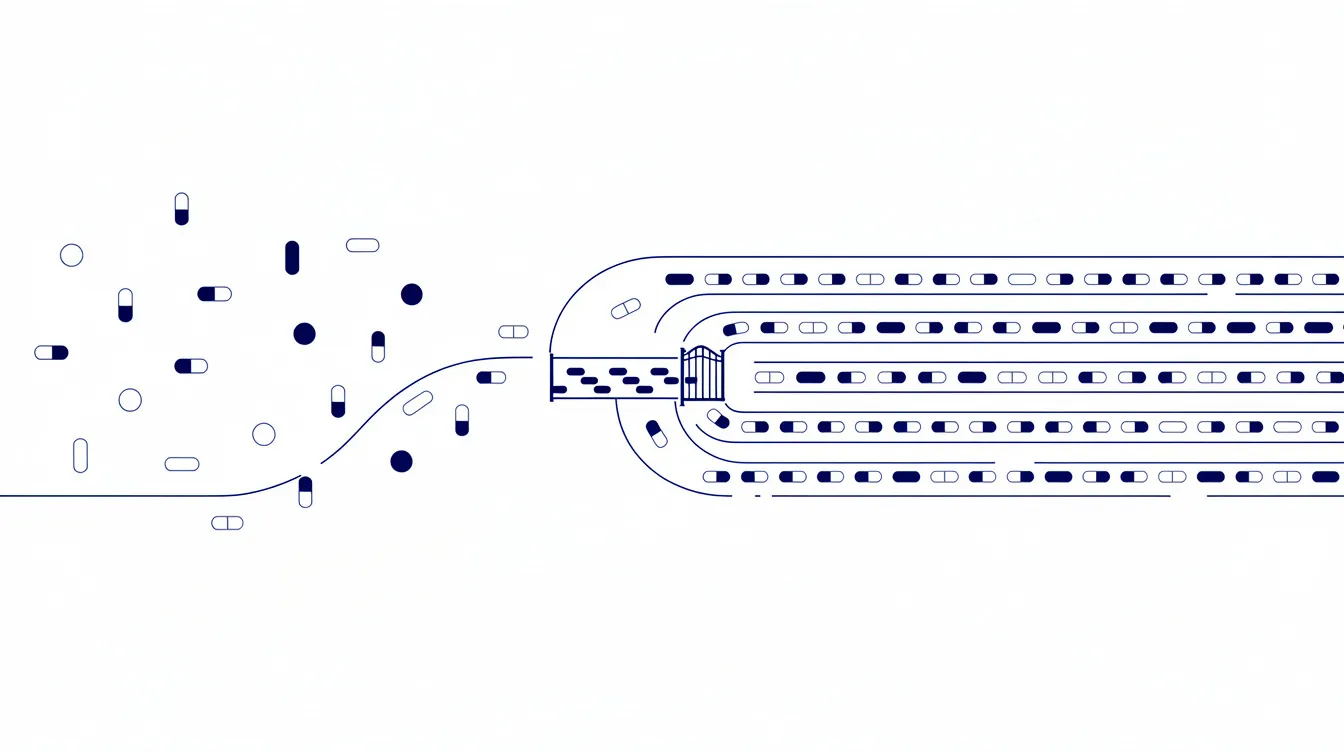
We consolidated all seven sources into SNIPER - one platform, one data set, updated overnight. Everyone arrives at Monday’s meeting looking at the same numbers. The debate that used to consume the first hour simply does not happen, because there is nothing to debate.
What changed
Within 90 days of consolidation, this team’s experience showed a clear shift:
- Data reconciliation arguments eliminated
- Monday meetings converted from debate forums into working decision sessions
- Forecast accuracy improved materially - the same data, consistently applied, removes the noise that corrupts projections
- 312 executive hours recovered annually
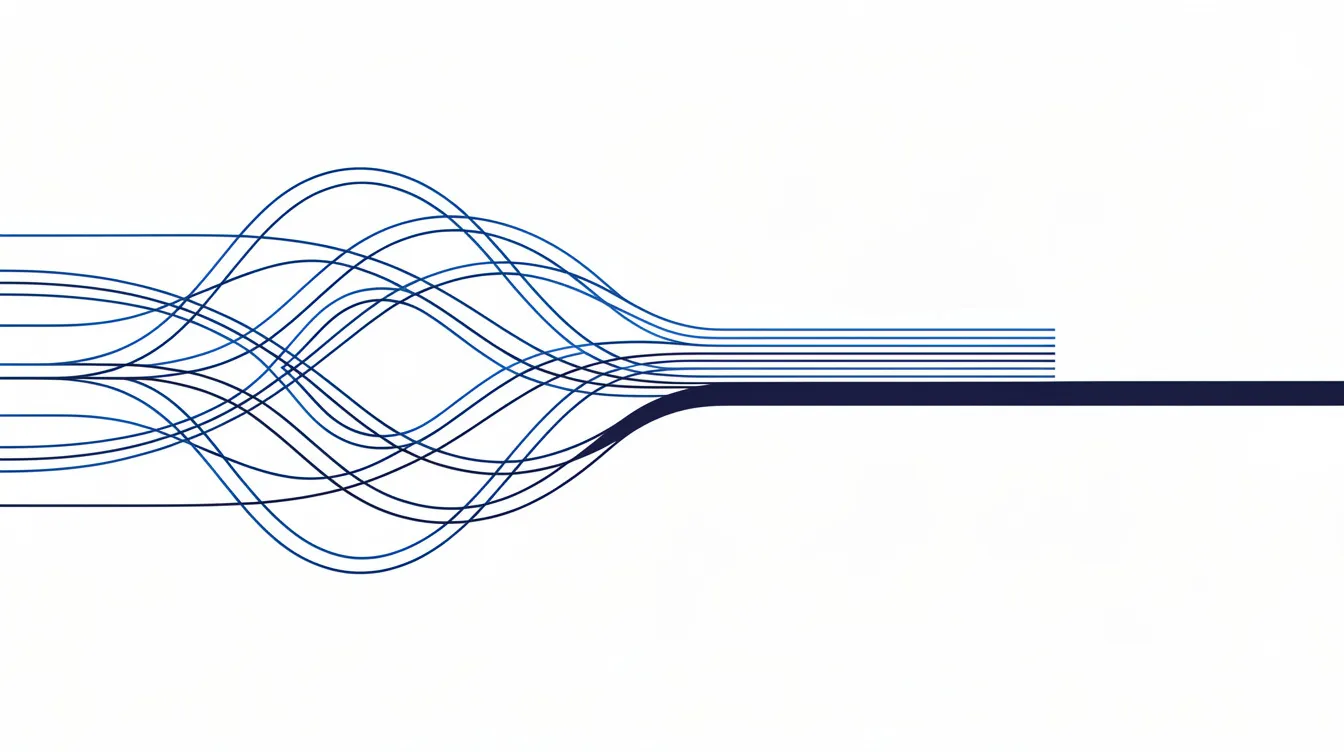
The forecast improvement was not a modelling breakthrough. It was a noise-removal effect. When the same inputs drive every decision, the signal gets cleaner.
The principle holds broadly
More dashboards do not solve data problems. They multiply them. Every additional system with its own export format and its own update cadence adds another reconciliation event somewhere in the week.
The commercial teams that move fastest are the ones where everyone looks at the same numbers. Not because they have better data - often the underlying data is the same. Because they skip the argument and go straight to the question that matters: what do we do about it?
That is the difference between a meeting that produces decisions and one that produces more meetings.

Written by
Wimpie du Toit
CTO & Founder at Herbst Group. Working with pharmaceutical commercial leaders across South Africa, Kenya, and Brazil to transform sales force effectiveness through evidence-based approaches.
Connect on LinkedIn