AI-generated image
Contents
Two years in with one client. The project produced a 45% productivity improvement. The analytics were not the differentiator. The relationship was. Most engagements fail not because the data is wrong or the dashboards are ugly, but because the gap between a good insight and a changed behaviour never closes. This is how we closed it.
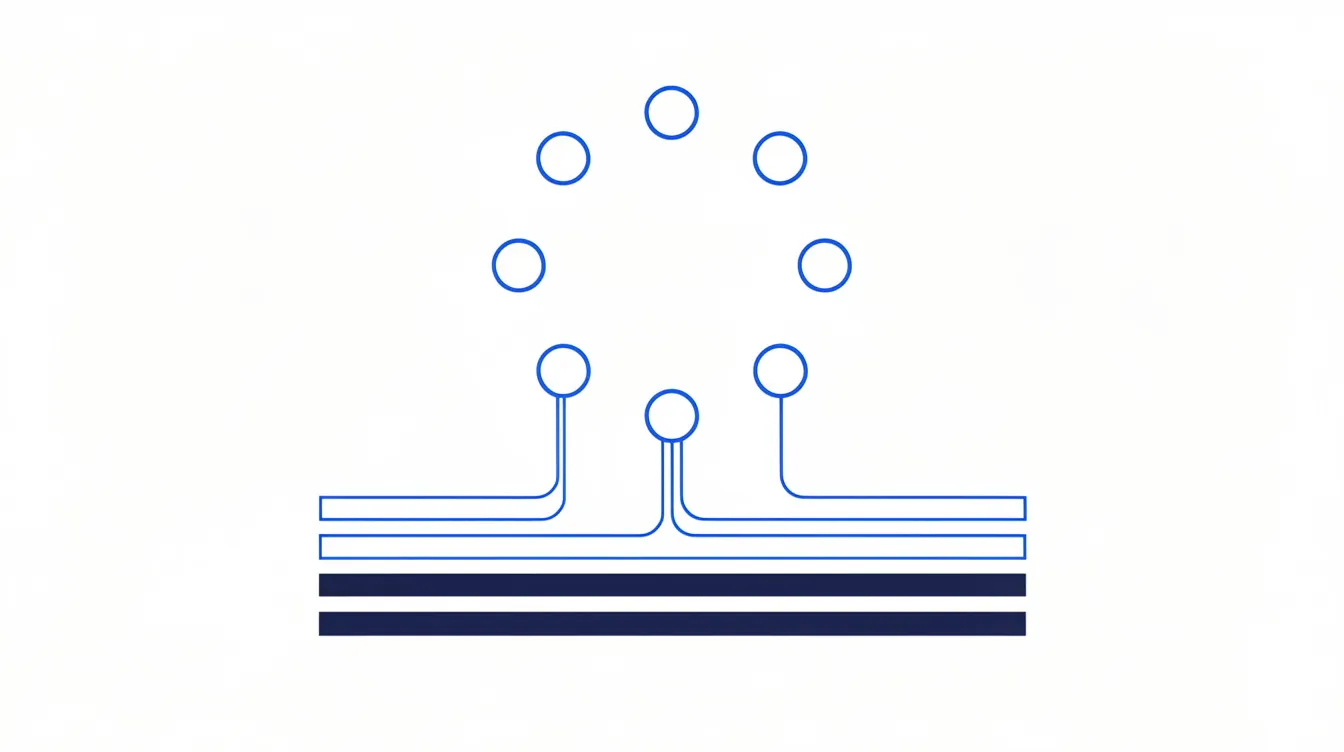
The first 90 days were not about analytics
When people ask about methodology, they expect me to talk about data models, algorithms, visualisation techniques.
The honest answer is simpler and harder: we built trust before we built dashboards.
The first three months were about listening. Understanding how decisions actually got made. Learning the language people used when they talked about their business. Finding the questions they were afraid to ask out loud.
Only after that did we touch the data.
Three things that actually drove the results
Relationship-building came first. Before anyone would trust our analysis, they needed to trust us. That meant showing up consistently, following through on small commitments, and being honest when we did not know something. There are no shortcuts here. The trust account has to be funded before you can draw on it.
Debate was encouraged, not avoided. The best insights came from disagreement. When the commercial team pushed back on our analysis, we did not defend - we investigated. Often, they were right. Their market knowledge caught things the data could not. A model that does not incorporate that knowledge is just sophisticated guesswork.
Kind communication made hard truths acceptable. We delivered uncomfortable findings regularly: “Your top performers are actually average.” “Your incentive scheme is driving the wrong behaviour.” “Your customer list is 30% wrong.” Those conversations only worked because we had built enough trust to have them. Without the relationship, the same findings get dismissed or buried.
The productivity gains were a side effect
A 45% productivity improvement sounds like a headline. It was not the goal.
The goal was building a team that could identify and solve productivity problems on their own. The improvement was what happened when that capability emerged.
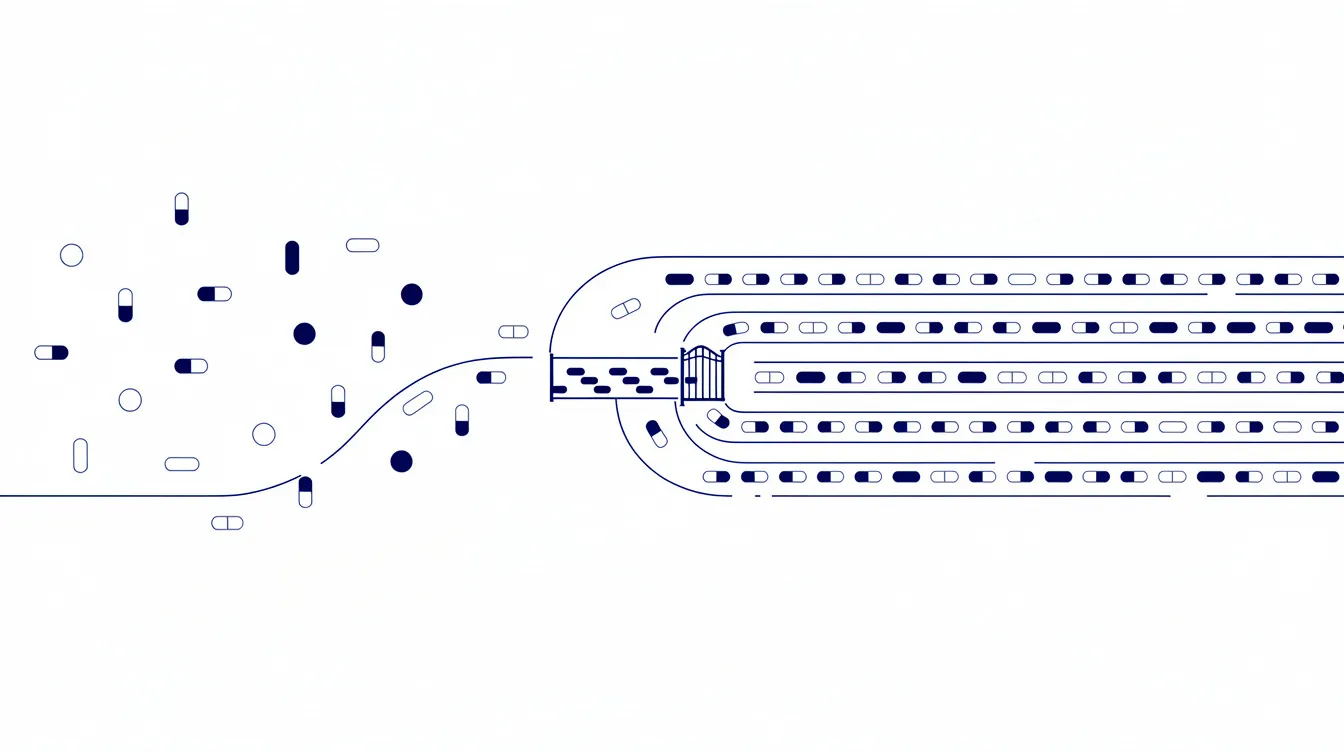
If we had just delivered dashboards and recommendations, we would have fallen well short. The gap between good analysis and changed behaviour is where most analytics projects fail. We closed it by being present - in the field, in the meetings, in the difficult conversations that determine whether insights become actions.
What this taught me about analytics work
Analytics projects fail for human reasons, not technical ones.
The data is usually fine. The visualisations are usually adequate. What is missing is the trust that turns insight into action.
Building that trust takes longer than most project timelines allow. It requires patience that most consultants do not have. It demands honesty that most relationships do not survive.
But when it works, the results compound. A team that trusts the data makes better decisions daily. A team that knows how to question assumptions keeps improving after you leave.
That is the work. And it is the same discipline that sits underneath everything we build - because none of it changes behaviour if the people using it do not trust where it comes from.

Written by
Tiaan Keyser
Chief Analytics Officer & Founder at Herbst Group. Working with pharmaceutical commercial leaders across South Africa, Kenya, and Brazil to transform sales force effectiveness through evidence-based approaches.
Connect on LinkedIn