AI-generated image
Contents
Every business says they want to be data-driven. Few are willing to do what that actually requires. The gap is not a technology problem or a budget problem. It is a practice problem - and the fix is usually smaller than organisations expect.
The gap between aspiration and reality
In business reviews, I hear the same refrain: “We’re becoming more data-driven.” “Data is at the centre of our decision-making.” “We’re investing in analytics capabilities.”
Then I ask: “Show me the data behind your last three major decisions.”
The room goes quiet.
Being data-driven is not a declaration. It is a practice. And the practice is rarer than the declaration.
What most organisations actually have
Most organisations have plenty of data. They are drowning in it.
CRM records. Sales reports. Customer surveys. Market research. Financial metrics. Operational dashboards.
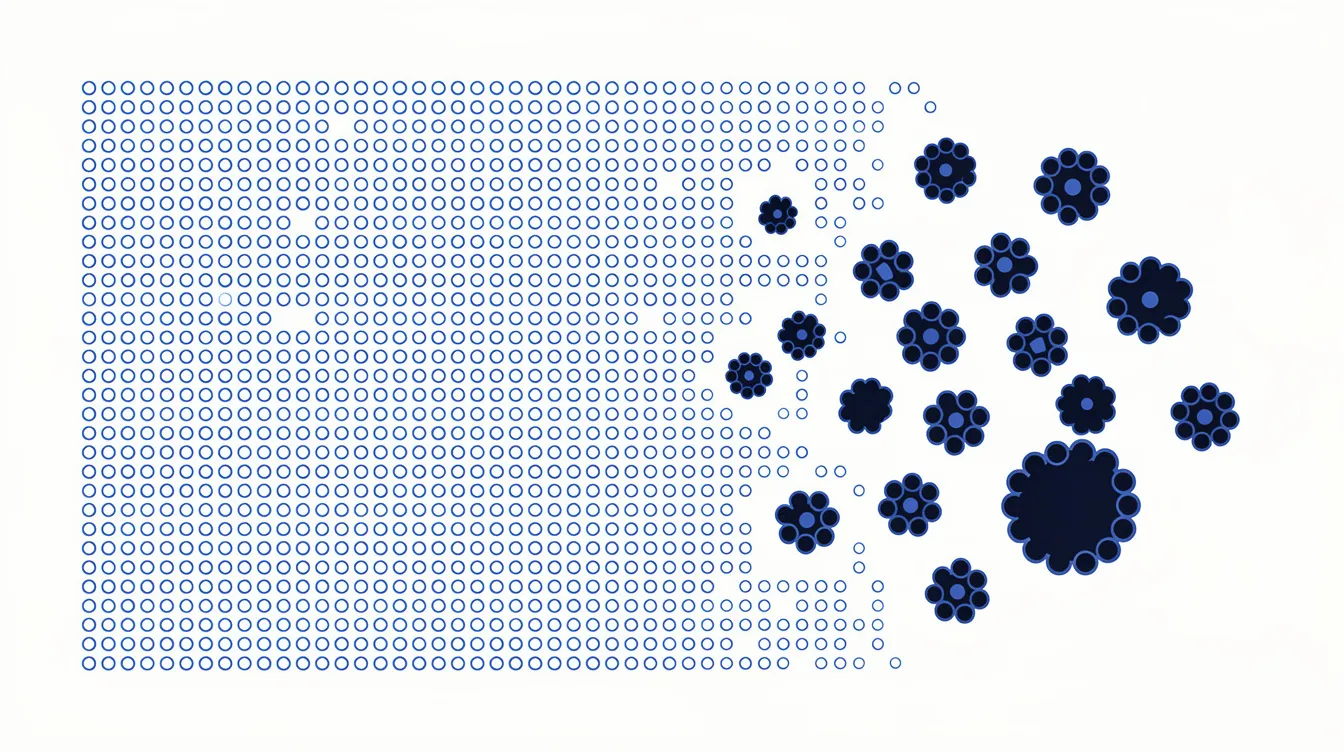
The problem is not data scarcity. It is data utilisation. Research consistently shows that a large proportion of the data organisations collect is technically available but practically ignored - sitting in systems no-one interrogates before a decision is made.
The business that claims to be data-driven often makes decisions the same way it did before the data existed: intuition, hierarchy, and whoever argues most persuasively in the room.
The small-tweak insight
Here is what surprises people: becoming genuinely data-driven often does not require big investments. It requires small, precise changes to what you are already doing.
Capture the right data. Most data capture systems were designed for compliance or administration, not insight. Small adjustments - capturing one additional field, recording one additional metric - can transform what analysis is possible.
Ask before deciding. Before major decisions, add one step: “What data do we have that is relevant to this choice?” Not “let’s delay until we have data,” but “let’s check what we already know.” That single habit shift changes the texture of decision-making.
Close the feedback loop. When decisions are made on the basis of data, track the outcomes. Did the data-informed decision produce expected results? That feedback builds trust in data - or surfaces where data sources need improvement. Without the loop, even good analytical work goes unreinforced.
Make data visible. Data buried in analyst spreadsheets is not driving decisions. Data visible to decision-makers in their daily workflow does. Format matters as much as content. A well-placed dashboard that people actually open beats a detailed report that nobody reads.
What I have learned in business reviews
The organisations that genuinely become data-driven share a pattern: they start small and expand.
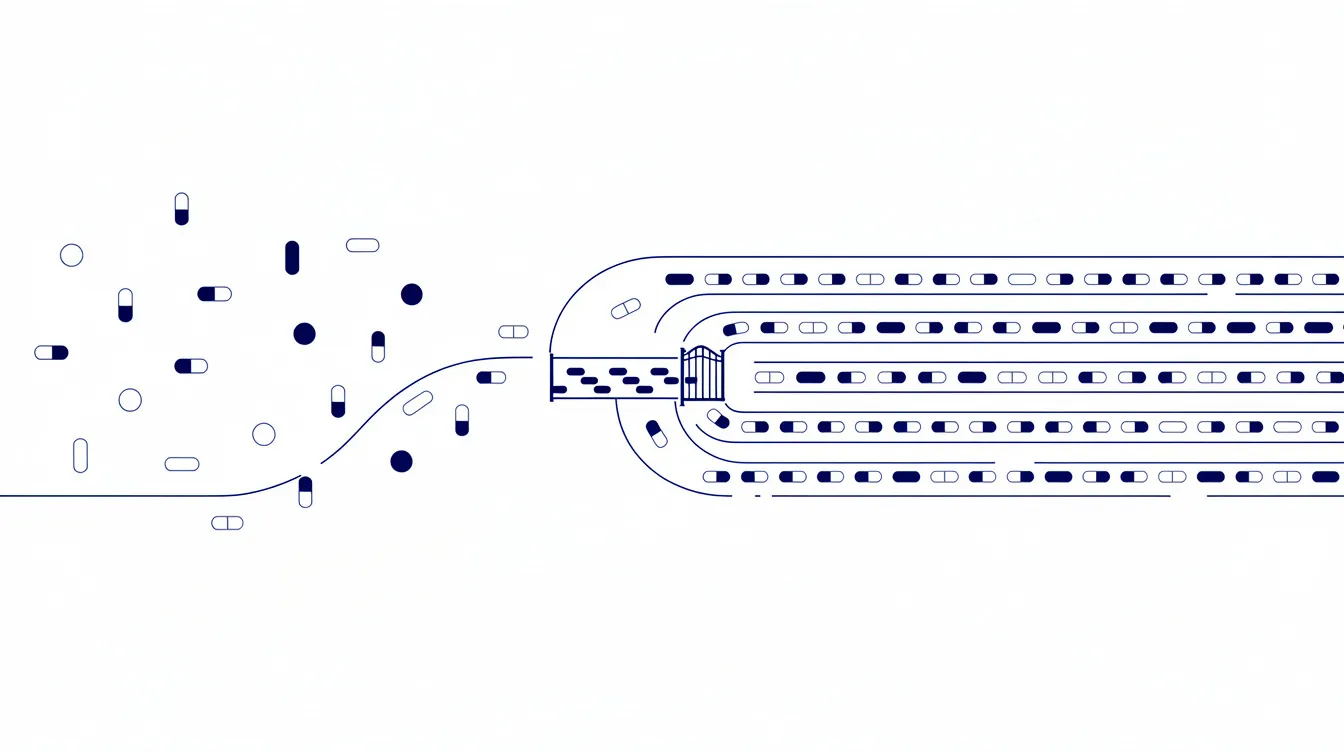
They do not launch enterprise-wide analytics transformation programmes. They pick one decision that happens frequently, improve the data informing that decision, and demonstrate value. Success with one decision builds appetite for the next. Small wins compound into cultural change.
The organisations that fail try to be data-driven everywhere at once. They build infrastructure before capability. They hire analysts before defining what analysis is needed. They purchase platforms before establishing habits. The investment lands in an organisation that does not yet know how to use it.
The honest assessment
If you want to know whether your organisation is genuinely data-driven, do not ask leadership. Ask the people making daily decisions.
Does the sales manager check data before adjusting territories? Does the product manager reference analytics before prioritising features? Does the operations lead consult metrics before allocating resources?
If the answer is “sometimes” or “when required,” you are not data-driven yet. You are data-aware. That is different - useful, but different.
Data-driven means the instinct to check the data is automatic. It means decisions made without data feel incomplete. It means the question “what does the data say?” is expected, not exceptional.
Start here
What is one decision your organisation makes repeatedly that could be better informed by data you already have?
Not new data. Existing data that is underutilised.
Start there. Make that one decision genuinely data-driven. Learn what works. Expand from that success.
Every business says they want to be data-driven. The ones that get there start with one decision and prove it.

Written by
Tiaan Keyser
Chief Analytics Officer & Founder at Herbst Group. Working with pharmaceutical commercial leaders across South Africa, Kenya, and Brazil to transform sales force effectiveness through evidence-based approaches.
Connect on LinkedIn